
Inheritance Is Not Succession: The Succession Mistake Organisations Keep Repeating
Across countries and decades, many political parties follow a familiar script.
– A powerful founder builds the party.
– Structures grow around the individual.
– Influence becomes centralized.
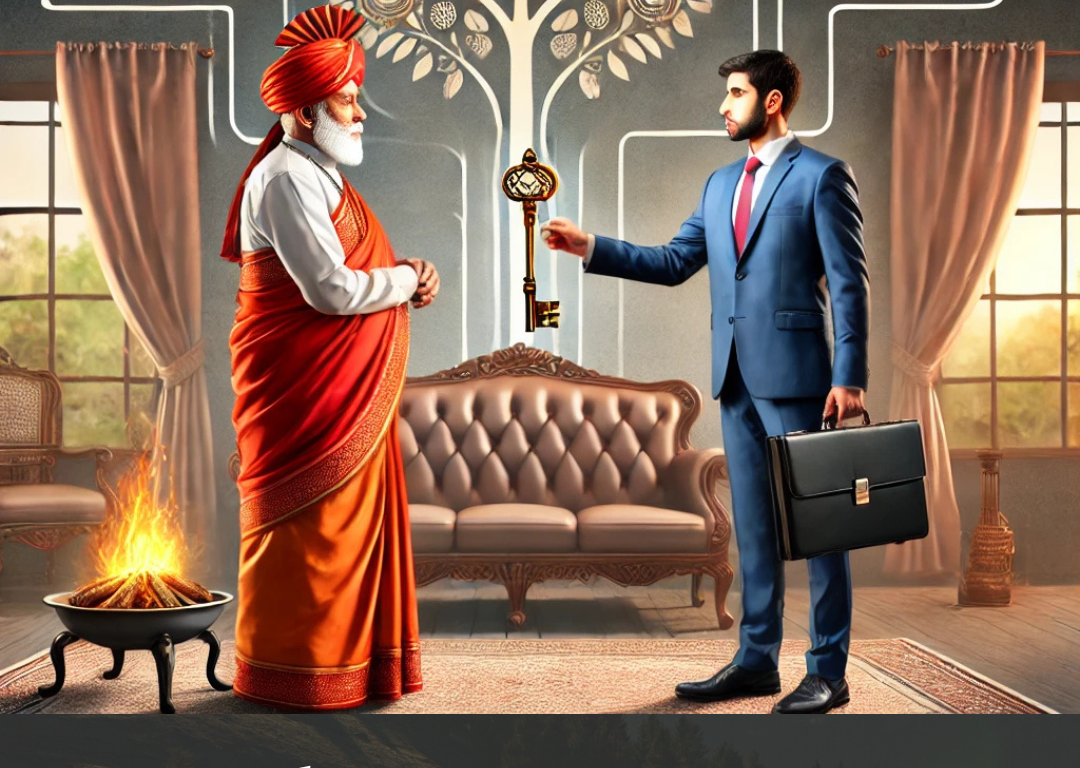
And when succession arrives, it defaults to lineage, not leadership.
– Sons.
– Daughters.
– Relatives.
Often, without testing competence, ground connect, or acceptance. The result is predictable.
– Factionalism increases.
– Grassroots workers disengage.
– Public trust erodes.
– Entitlement is assumed without investing in self
The party survives, but relevance weakens.
Not because the successor lacked intention, but because succession was treated as inheritance, not capability-building.
This is where many organizations, political or commercial, go wrong.
– They assume proximity equals preparedness.
– That familiarity equals fitness.
– That bloodline ensures leadership.
It doesn’t.
Effective succession requires:
• grooming, not nomination
• credibility earned on the ground
• independent authority, not borrowed legitimacy
• systems that outlast personalities
Without this, transitions become messy and expensive.
The lesson is simple:
When succession is based on entitlement instead of competence, institutions pay the price.
Whether voters or customers, people sense the difference immediately.
A question worth reflecting on:
Is your succession plan building leaders or just naming heirs or doing nothing?
Because continuity is not passed down. It is built.

 wethecouple.com