
Deepinder Goyal Just Stepped Down, So When Are You Going to Do It?
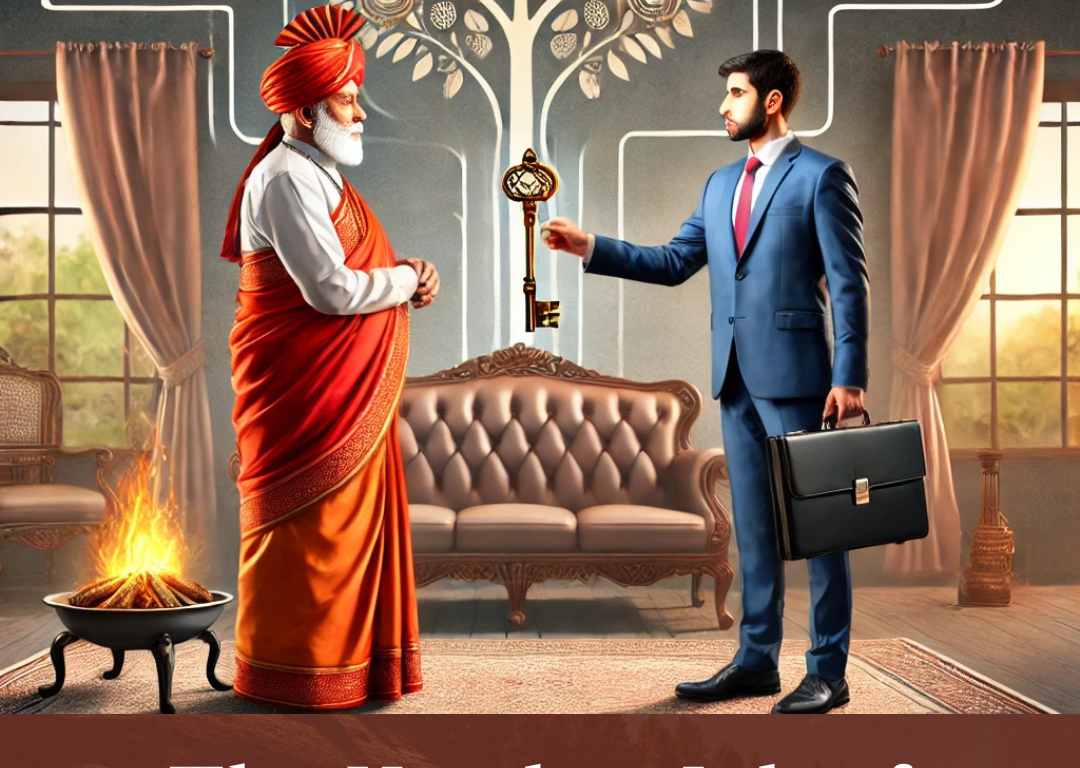
Deepinder Goyal, founder of Zomato, has resigned as CEO and appointed a successor to take charge.
This wasn’t an accident.
It wasn’t imposed by crisis.
It wasn’t a grudging handover.
It was a leader-led transition.
And that’s the part most founders overlook.
Succession Isn’t a Reaction. It’s a Responsibility.
Far too often, founders wait for:
decline
disruption
dissatisfaction
outside pressure
…before thinking about what comes next.
But that’s not succession planning, that’s crisis management in disguise.
Deepinder’s move signals something deeper:
Leadership includes designing your own exit.
Not when you’re forced to.
Not when you’re tired.
But when the business can thrive beyond you.
What Real Succession Planning Requires
1. Seeing Yourself as a Phase, Not a Permanent Fixture
Great founders build companies.
Greater ones build companies that outlive them.
2. Identifying or Grooming a Successor
It could be:
internal leadership
a professional CEO
the next generation
a strategic partner
What matters is intention and timing.
3. Designing a Transition Roadmap
This is not a single-day event.
It’s a phased shift:
role clarity
authority transfer
mentorship
accountability
4. Prioritising Sustainability Over Control
Succession is not about loss.
It’s about continuity—for the business, the team, the family, the legacy.
Why So Many Founders Delay It?
Because subconsciously they believe:
“Only I can run this.”
“There’s still more to build.”
“If I slow down, I’ll become irrelevant.”
But here’s a counterintuitive truth:
You don’t lose relevance by stepping back.
You lose relevance by never stepping up to the next chapter of your life.
Don’t Wait for a Trigger. Set the Trigger.
Deepinder didn’t wait for decline.
He didn’t wait for pressure.
He didn’t wait for investors.
He acted.
Succession is not first about the business. It’s about the leader’s courage to imagine a world where the business thrives without them.
So the real question for every founder is not:
“When should I exit?”
It is:
“When will I start designing my exit so that the business, my people, and my life all benefit?”
Your Turn, if you’re thinking about succession, let’s talk:
Where are we now?
Who could take over?
How to design your transition?
How to balance freedom with legacy?
Because succession isn’t a someday plan, it’s a now responsibility.
hashtag#SuccessionPlanning hashtag#LeadershipTransition hashtag#FamilyBusiness
hashtag#FounderJourney hashtag#BusinessExit hashtag#LeadershipSustainability
hashtag#NextGenLeadership

 wethecouple.com